Eleven Sculptures · Unified Field Theory · Marin County · Burning Man
Living
Duality
A museum-scale body of work — eleven sculptures that articulate a Unified Field Theory in physical form. Each piece is both geometry and 3D code.
The Collection
Eleven sculptures.
One unified field.
Interactive
What is your duality?
Four questions. One sculpture. The piece that maps to the specific tension you live with.
1 / 4
When you encounter a problem, your instinct is to —
The Philosophy
Opposites are not
in conflict.
They are in conversation.
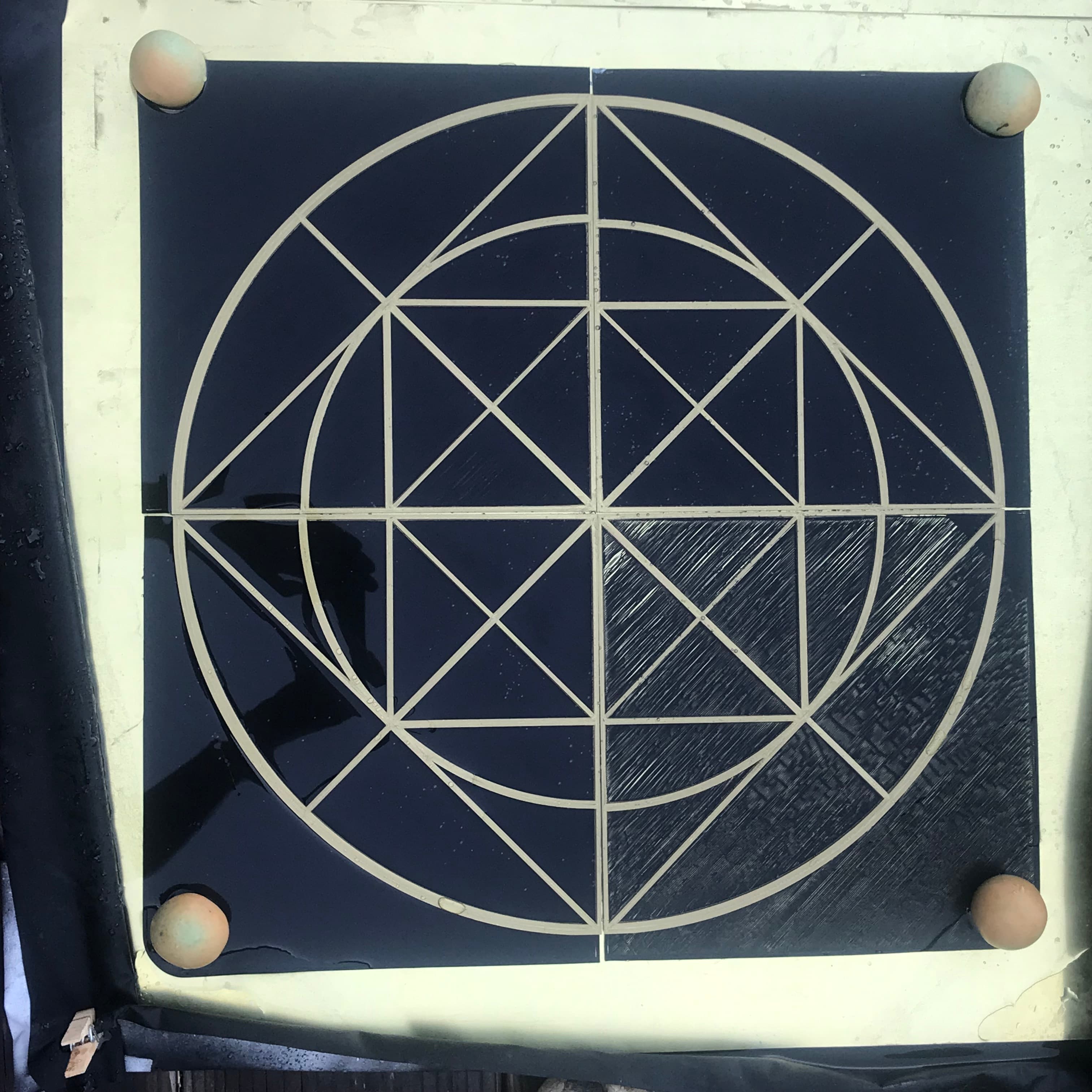
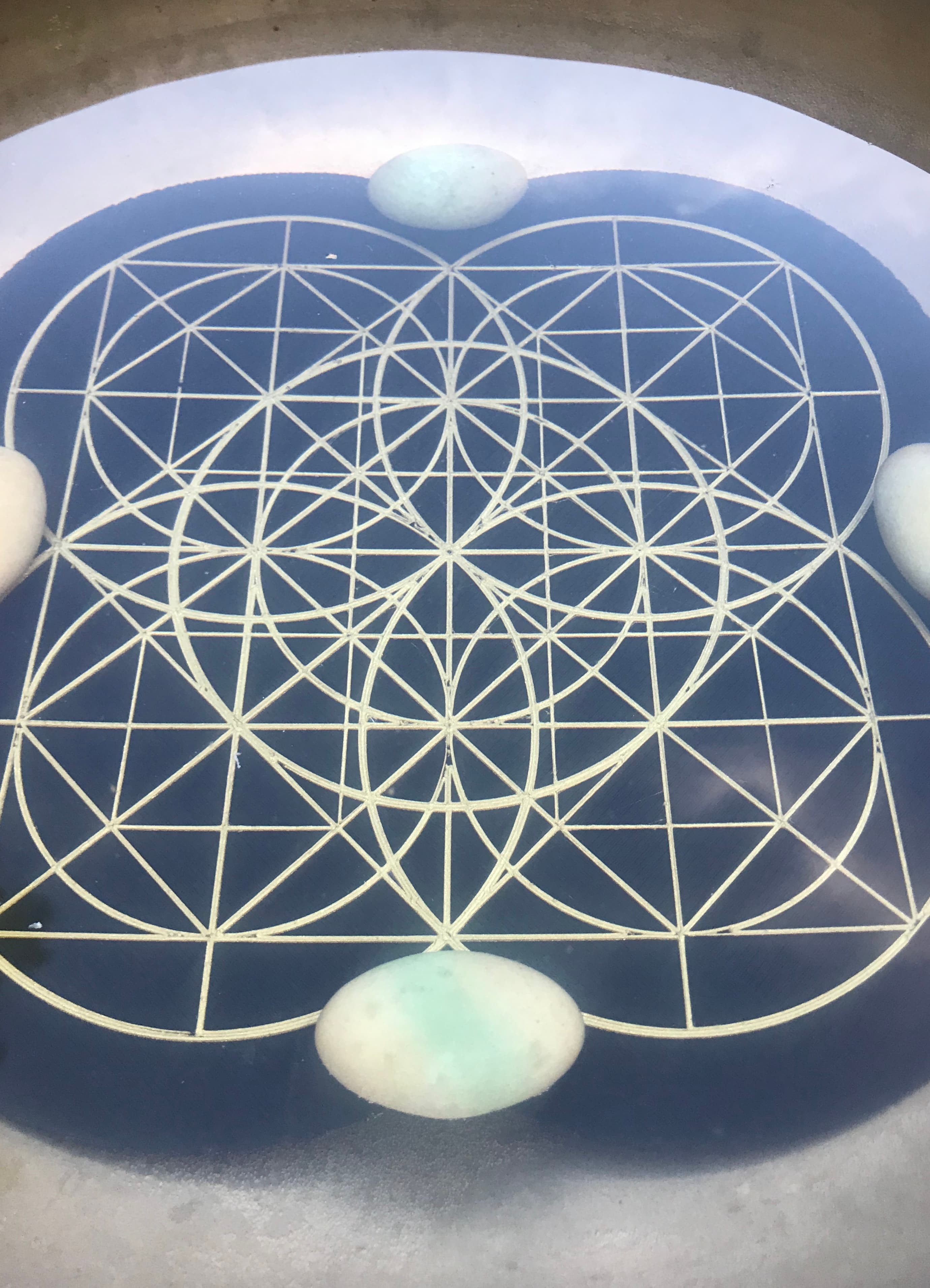
Living Duality is the premise that the apparent opposites that structure our experience — particle and wave, inside and outside, self and world — are not separate things in tension. They are the same structure, observed from different positions.
This is not a metaphor. It is a geometric claim, demonstrated across eleven sculptures. Each piece proves it differently. Together, they make the case: coherence is not the resolution of duality. It is the recognition that duality was always already whole.
Read the full theoryThe Unity Pixel
A geometric form that cannot be resolved as either convex or concave — it holds both states simultaneously. The atom of the system.
Unified Field Theory
Every sculpture in the collection is a different expression of the same underlying field equation. Different questions, one answer.
AR as the Second Dimension
Select pieces carry embedded augmented reality experiences — a digital layer that extends the physical sculpture into a fourth dimension visible through the Living Duality app.
The Artist
Naropa University — Transpersonal Psychology
Published geometric researcher
Founder, AR Hero
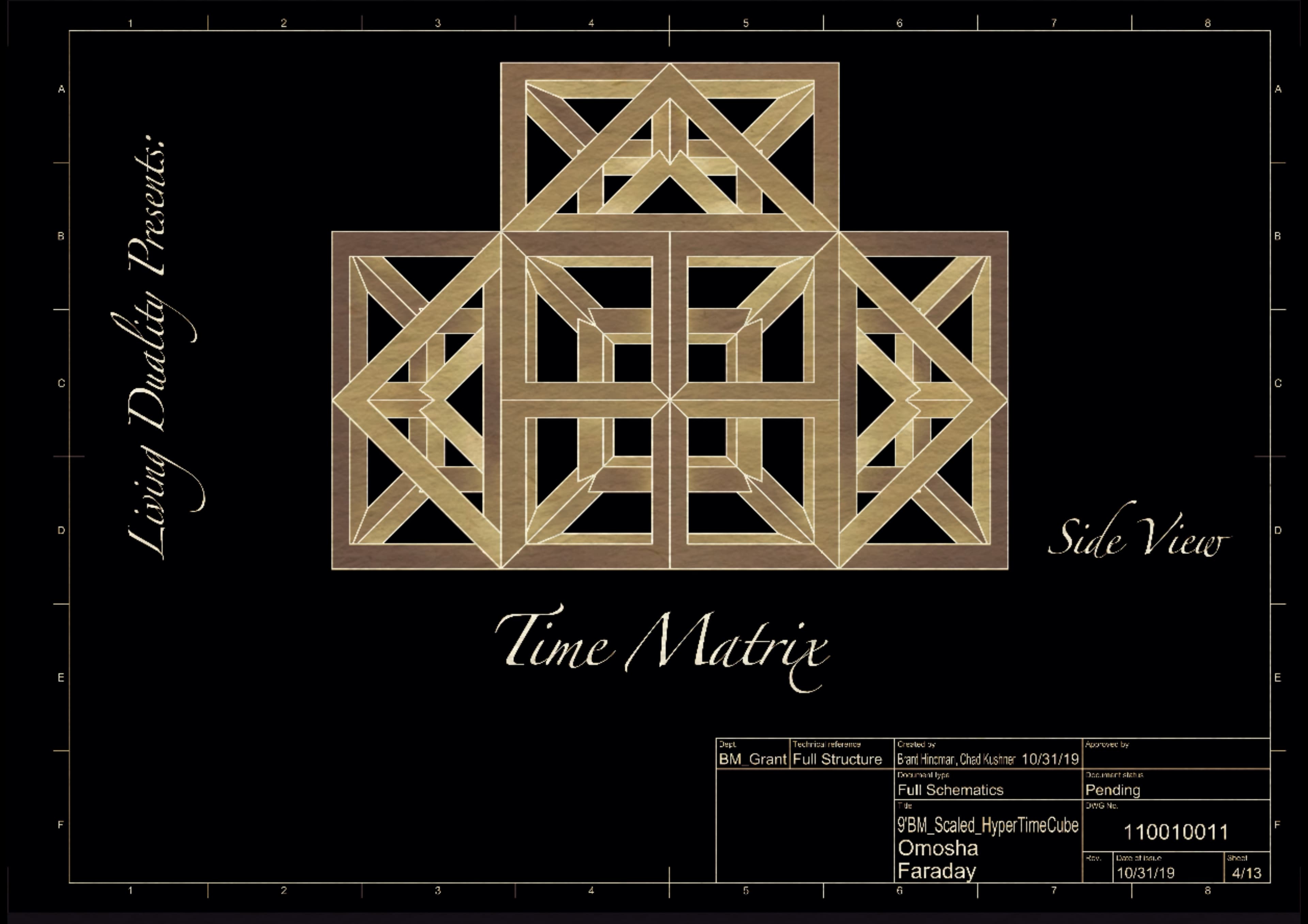
Burning Man — Time Matrix installation
Marin County, California
Both sides.
At once.
Brant Hindman trained as a transpersonal psychologist at Naropa University — the school founded by Chögyam Trungpa Rinpoche at the intersection of Buddhist contemplative practice and Western psychology. He left with a question that geometry could answer better than language.
That question — what does it look like when opposites are the same thing? — drove a parallel career in augmented reality (founding AR Hero, which brings immersive brand experiences to physical objects) and geometric sculpture (publishing research on flexagons, polytopes, and dimensional reciprocity in the Bridges Organization journal).
Living Duality is where both careers converge. Each sculpture is both a physical object and a digital one. Each is both philosophy and proof. Each is both art and code. The collection is Hindman's answer to his own question, given in eleven forms, at scales from palm-sized to thirty feet.